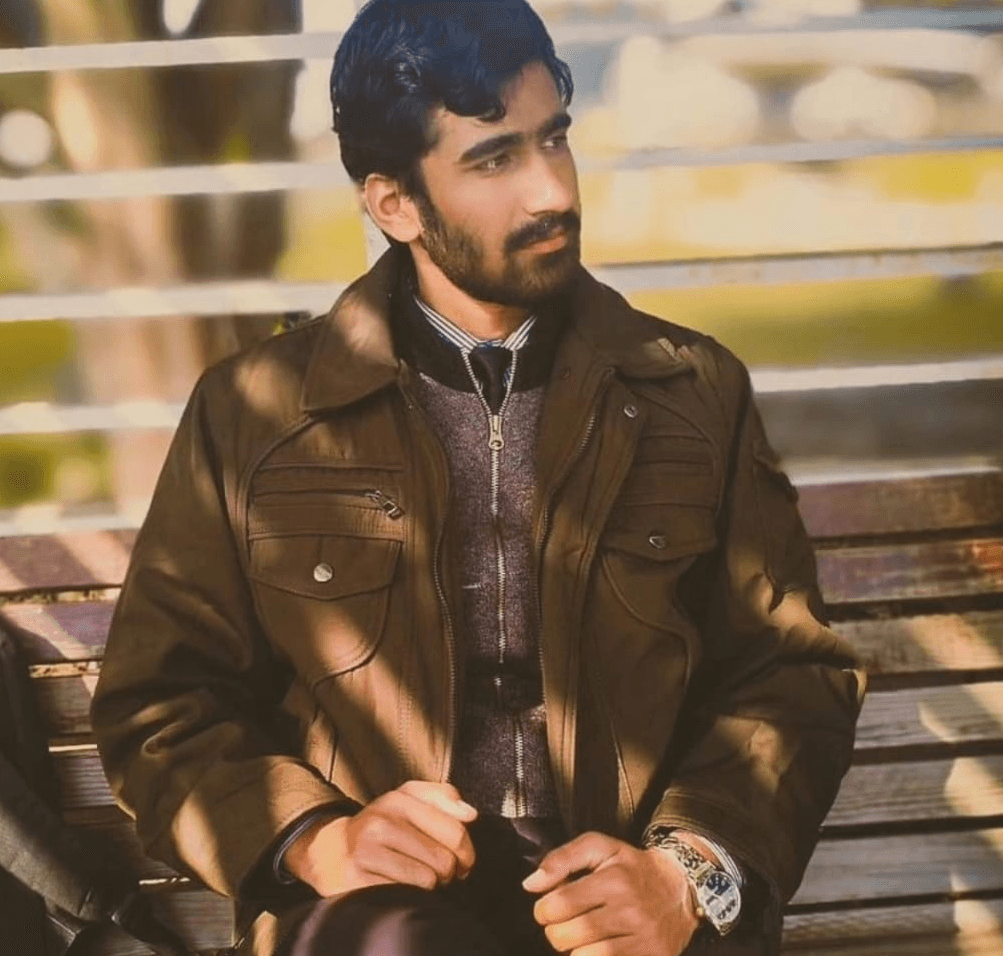
Research shaped by real systems. Building and testing robots has raised practical questions around perception, heat, communication, localization, and control. Current direction: reliable autonomous robots that keep working when conditions become difficult. Open to graduate research, R&D opportunities, and selected robotics projects.
01
Onboard Perception in Real Conditions
YOLOv8 Nano initially ran at 25 ms per frame (~15 FPS) on a Raspberry Pi 5. During sustained operation in 34°C ambient heat, inference increased to 32 ms as the processor reached 76°C. A five-frame verification method rejected 88% of temporary false detections during field tests.
02
Autonomy with Unreliable Communication
The UAV maintained stable video and MAVLink telemetry to 180 m over a 5 GHz link. Beyond 200 m, packet loss caused video delays of up to 3 seconds, while onboard detection continued to run. This made local decision-making an important part of the system design.
03
Localization, Mapping & Navigation
Research work at NCAI included ROS 2 Jazzy, Gazebo, URDF/XACRO, Cartographer SLAM, and Azure Kinect integration with Jetson Nano. In later UAV field tests, GPS-guided navigation reached a measured lateral tolerance of ±1.5 m.
04
Embedded Flight & Control
A custom ESP32 + MPU6050 flight controller achieved stable hover and attitude control, with PID gains adjustable live through a browser interface. Other embedded work includes local vision-based motor control on ESP32-CAM and bare-metal firmware development on the 8051.
Open to graduate research, robotics R&D, collaborations, and selected engineering projects. Share the opportunity or technical problem and I’ll get back to you.